Why Water Conservation Isn't Just for Drought Years
Why Water Conservation Isn't Just for Drought Years
When drought conditions make headlines, water conservation often becomes a top priority. Municipalities issue watering restrictions, homeowners rethink irrigation schedules, and communities become more aware of just how valuable our water resources are.
But protecting our water supply shouldn't begin—and end—with a drought.
In New Hampshire, groundwater is the primary source of drinking water for many communities, businesses, and private well owners. Conserving this resource year-round is essential for maintaining healthy aquifers, supporting resilient public water systems, and ensuring future generations have access to clean, reliable water.
Whether you're a municipal leader, property owner, or resident, water conservation plays an important role in protecting one of New Hampshire's most valuable natural resources.
Protecting Our Aquifers Starts with Smart Water Use
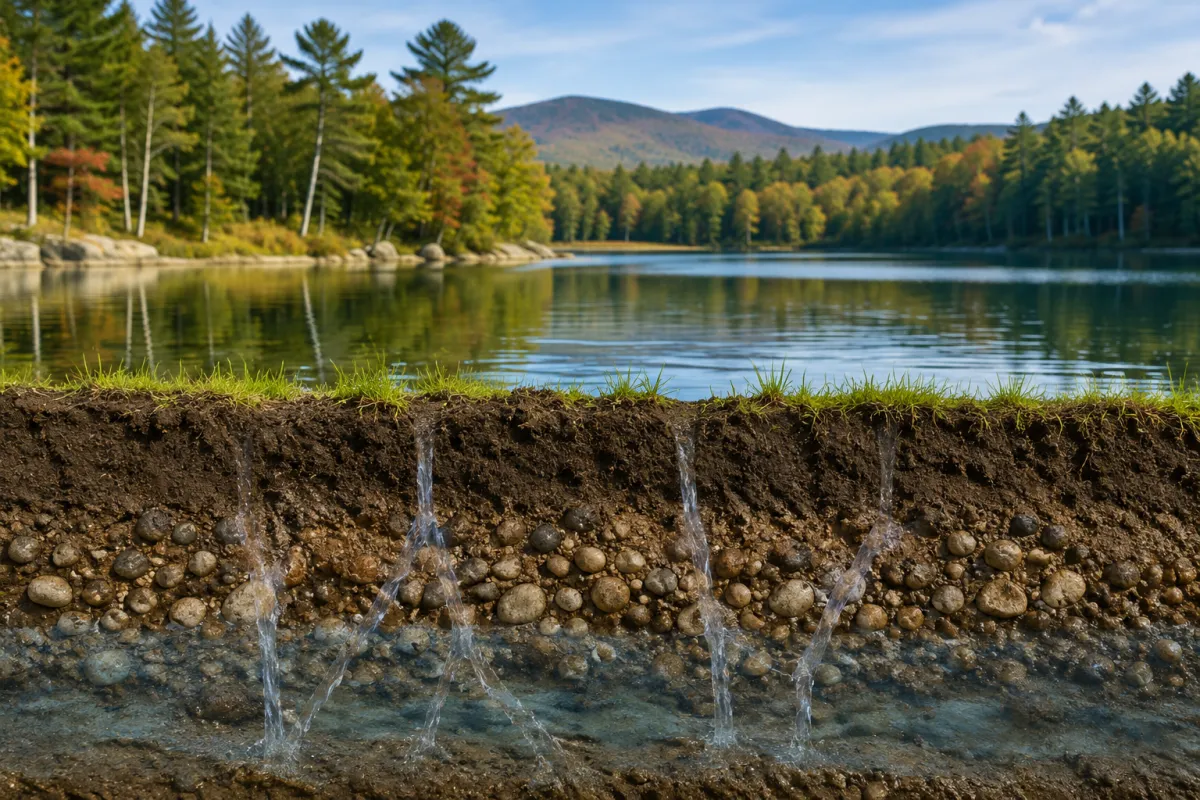
Much of New Hampshire's drinking water comes from underground aquifers—layers of sand, gravel, and rock that naturally store groundwater. Unlike reservoirs that are visible on the landscape, aquifers are hidden beneath our feet and recharge gradually through rainfall and snowmelt.
While aquifers are renewable, they are not unlimited.
As communities grow and water demand increases, groundwater withdrawals can outpace natural recharge if resources aren't managed responsibly. Extended dry periods, changing weather patterns, and increased development can place additional stress on these underground water supplies.
Water conservation helps reduce unnecessary demand, allowing aquifers to recharge more effectively and remain a dependable source of drinking water for years to come.
Municipal Planning Plays a Critical Role
Water conservation is about more than asking residents to use less water—it begins with thoughtful planning at the municipal level.
Communities can strengthen long-term water sustainability by:
Monitoring water demand and system capacity
Identifying and repairing water main leaks
Investing in infrastructure improvements
Developing asset management plans
Protecting groundwater recharge areas
Planning future development around available water resources
These proactive measures help municipalities improve system efficiency while reducing water loss and operating costs.
At Edgewater Strategies, we work with municipalities to evaluate groundwater resources, support public water system planning, and develop sustainable strategies that balance community growth with long-term water availability.
Small Changes at Home Make a Big Difference
Homeowners also play an important role in protecting local water resources. While one household may not use a significant amount of water on its own, the combined impact of an entire community can be substantial.
Simple conservation habits include:
Repairing leaking faucets, toilets, and irrigation systems
Watering lawns only when necessary
Installing water-efficient fixtures and appliances
Running full loads of laundry and dishes
Collecting rainwater for outdoor landscaping where appropriate
Choosing native or drought-tolerant plants that require less irrigation
These small actions help reduce demand on municipal water systems and private wells while supporting healthier groundwater resources.
Sustainable Communities Start with Long-Term Thinking
Water conservation isn't about restricting growth—it's about planning for it responsibly.
As New Hampshire communities continue to grow, thoughtful water resource management becomes increasingly important. Municipalities must balance residential development, commercial expansion, environmental protection, and public water needs while ensuring that water supplies remain reliable for decades to come.
Long-term sustainability requires collaboration among engineers, hydrogeologists, municipal leaders, developers, and property owners. By understanding available water resources today, communities can make informed decisions that support both economic growth and environmental stewardship.
Building a More Resilient Future
Protecting New Hampshire's water resources requires ongoing attention—not just during periods of drought.
Year-round conservation, responsible groundwater management, and proactive infrastructure planning all contribute to stronger communities, healthier ecosystems, and more resilient public water systems.
At Edgewater Strategies, we're committed to helping municipalities, developers, and property owners make informed decisions about groundwater resources, public water systems, environmental permitting, and sustainable infrastructure planning.
Whether you're planning a new development, evaluating groundwater availability, or looking to strengthen your community's water management strategy, our team provides the technical expertise needed to support long-term success.
Partner with Edgewater Strategies
Sustainable water management starts with informed planning. Contact Edgewater Strategies to learn how we can help protect groundwater resources, strengthen public water systems, and support resilient communities across New Hampshire.
Together, we can help ensure New Hampshire's water resources remain healthy—not just during drought years, but for generations to come.
