From Snowmelt to Spring Flow: What St. Patrick’s Day Tells Us About Water in New Hampshire
From Snowmelt to Spring Flow: What St. Patrick’s Day Tells Us About Water in New Hampshire
St. Patrick’s Day in New Hampshire feels like a turning point.
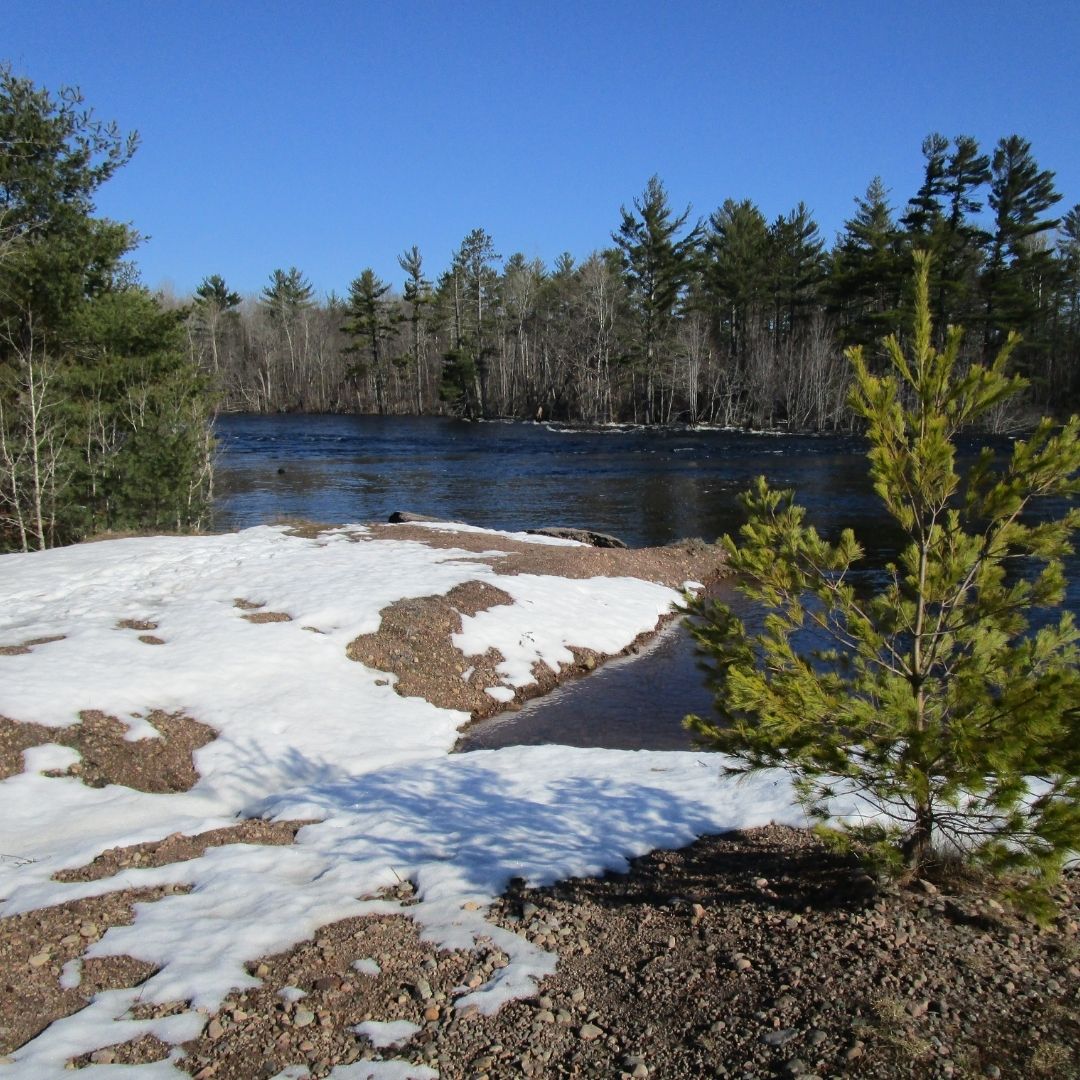
The snowbanks are shrinking. The days are stretching. The rivers are waking up.
That quiet shift from winter to spring is more than just a change in scenery — it’s a major transition for our water systems. And here in the Granite State, water defines so much of our landscape, economy, and community.
At Edgewater Strategies, this is one of the most dynamic (and important) times of year for groundwater, surface water, and watershed management.
Let’s talk about what’s really happening beneath the green.
The End of Winter: Stored Water in Disguise
All winter long, New Hampshire’s water is essentially on pause.
Snowpack acts as a frozen reservoir. Beneath the surface, groundwater recharge slows dramatically. Streams often run lower and clearer, sustained primarily by baseflow from aquifers rather than rainfall.
But winter isn’t quiet underground — it’s storing potential.
When temperatures rise in March, that frozen water begins to move.
Snowmelt Season: Nature’s Annual Recharge Event
As we transition into spring, melting snow combines with seasonal rain events to create:
Increased streamflow and river levels
Higher groundwater recharge rates
Elevated lake and pond levels
Saturated soils and runoff pulses
In many parts of New Hampshire, this is the most significant annual groundwater recharge period. Aquifers refill. Wells stabilize. Wetlands expand.
But recharge isn’t the only story.
Runoff, Flooding & Water Quality Concerns
With rapid snowmelt comes risk.
When the ground is still partially frozen or saturated, water can’t infiltrate efficiently. That leads to:
Surface runoff
Erosion
Sediment transport
Nutrient loading into lakes and rivers
Localized flooding
Road salt accumulated over winter can flush into nearby water bodies. Nutrients and pollutants that settled in snowpack are released in concentrated pulses.
Spring isn’t just about more water — it’s about changing water chemistry and movement patterns.
Seasonal Shifts in Groundwater
As recharge increases, groundwater tables rise. For communities relying on private wells or municipal groundwater systems, this can bring:
Improved well recovery rates
Temporary turbidity changes
Fluctuations in iron or manganese levels
Changes in taste or odor
For developers, municipalities, and property owners, this is also when:
Shoreline permitting questions arise
Drainage and stormwater systems are tested
Erosion control measures prove their worth
Understanding these seasonal cycles helps prevent costly surprises later in the year.
A Fresh Start for Watersheds
St. Patrick’s Day celebrates renewal — and water in New Hampshire truly embodies that spirit this time of year.
Spring gives us a chance to:
Assess winter damage to shorelines
Evaluate stormwater performance
Plan lake-friendly landscaping
Prepare for summer water demand
Conduct water quality testing
Proactive planning in early spring protects both private property and public water resources.
Why This Matters
New Hampshire’s identity is tied to clean water — from the Lakes Region to the Seacoast, from mountain streams to private wells.
Seasonal transitions aren’t just natural events. They’re management opportunities.
At Edgewater Strategies, we help communities, property owners, and developers understand:
Groundwater behavior
Surface water impacts
Shoreland regulations
Stormwater compliance
Long-term watershed health
Because when you understand how water moves, you make smarter decisions — for today and for the generations who will enjoy these waters tomorrow.
Looking Ahead to Spring & Summer
As the snow fades and everything turns green, it’s the perfect time to evaluate your property, project, or community water systems.
Whether you're planning shoreline work, development, infrastructure upgrades, or simply want clarity about your groundwater conditions, early-season insight makes all the difference.
Here’s to a safe snowmelt season and a strong start to spring.
If you’re navigating water-related questions in New Hampshire, Edgewater Strategies is here to help.
