Everything You Need to Know About New Hampshire's Shoreland Protection Act
Everything You Need to Know About New Hampshire's Shoreland Protection Act
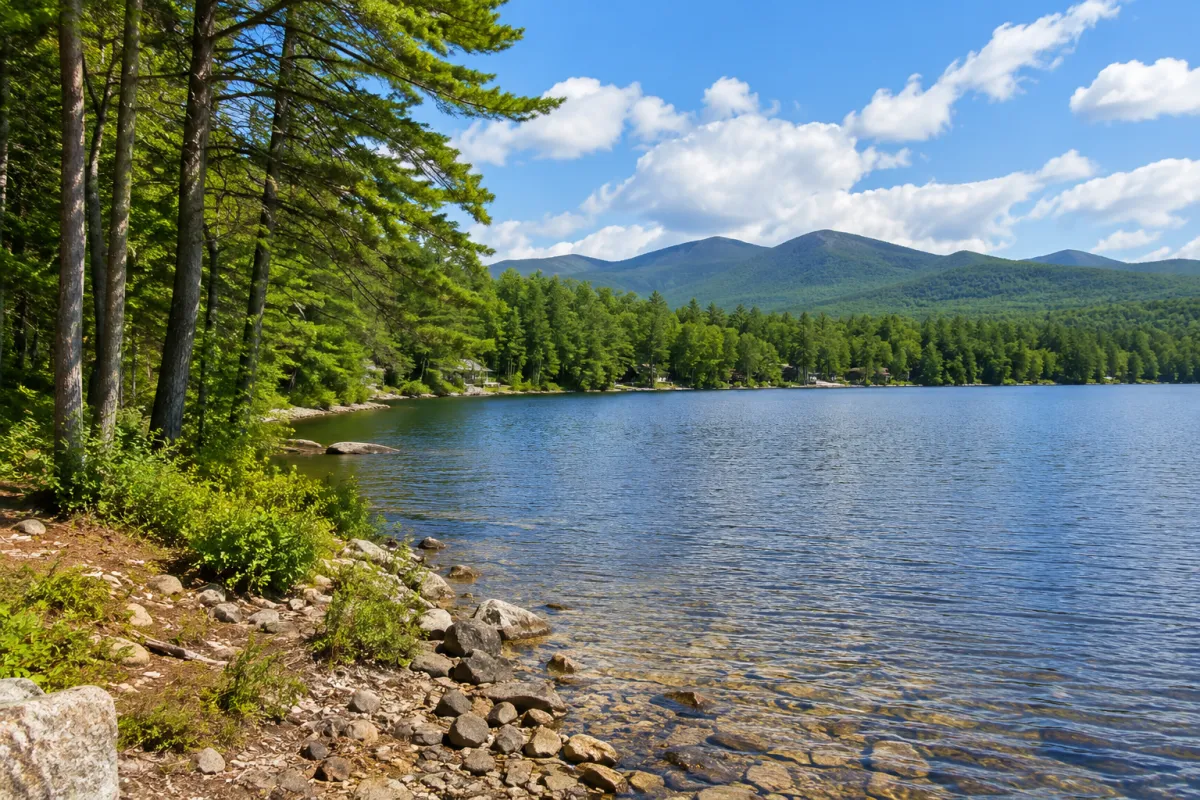
New Hampshire's lakes, rivers, and ponds are among the state's most valuable natural resources. They support recreation, provide wildlife habitat, contribute to local economies, and help define the character of our communities. Protecting these waterways is essential, which is why the state established the Shoreland Water Quality Protection Act.
If you own waterfront property or are planning improvements near a protected waterbody, understanding the Shoreland Protection Act is an important first step.
What Is the Shoreland Protection Act?
The Shoreland Water Quality Protection Act (SWQPA) is a New Hampshire law designed to protect water quality by regulating certain activities that occur near public waters.
What Areas Are Protected?
The Act generally applies to land located within 250 feet of the reference line of protected public waters, including many lakes, ponds, rivers, and large streams.
Activities within this area may be subject to regulations regarding:
Vegetation removal
Construction and expansion projects
Grading and excavation
Stormwater management
Impervious surfaces such as driveways, patios, and walkways
Property owners are often surprised to learn that even relatively small projects may require review or permitting.
Why Does Shoreland Protection Matter?
Healthy shorelines serve as natural filters.
Vegetation along the water's edge slows rainwater, stabilizes soils, and captures pollutants before they enter lakes and rivers. Without these natural protections, stormwater can carry sediment, nutrients, and contaminants directly into waterways.
Poorly managed shorelines can contribute to:
Increased erosion
Algae blooms and poor water quality
Loss of wildlife habitat
Reduced water clarity
Increased flooding and drainage issues
Protecting shorelines isn't simply about regulatory compliance—it's about preserving the health and resilience of our water resources.
Common Activities That May Require Review
Depending on the location and scope of a project, activities that may require permitting or additional review include:
Building a new home or addition
Expanding driveways or parking areas
Installing patios or retaining walls
Removing trees and vegetation
Grading or excavation work
Shoreline stabilization projects
Building structures near the water
Because every property is unique, understanding site-specific conditions early in the planning process can save both time and expense.
The Importance of Stormwater Management
One of the primary goals of the Shoreland Protection Act is reducing polluted runoff.
When rain falls on roofs, driveways, and compacted soils, it often flows directly into nearby waterbodies. Along the way, it can pick up:
Fertilizers and lawn chemicals
Sediment and soil particles
Oil and other contaminants
Excess nutrients that contribute to algae growth
Thoughtful stormwater management practices help slow, filter, and absorb runoff before it reaches lakes and rivers.
How Homeowners Can Support Shoreline Protection
Even simple actions can make a meaningful difference.
Consider these lake-friendly practices:
Preserve natural vegetation whenever possible
Plant native trees, shrubs, and grasses
Maintain shoreline buffers
Minimize unnecessary clearing
Limit the use of fertilizers and pesticides
Incorporate permeable materials when feasible
Direct runoff away from water resources
Small improvements can help protect water quality while enhancing the long-term health of your property.
Start Planning Early
One of the most common challenges property owners face is beginning a project before fully understanding applicable regulations.
Early planning allows property owners to:
Identify potential permitting requirements
Avoid costly project delays
Design environmentally responsible solutions
Protect valuable natural resources
Create a smoother and more efficient project process
Navigating shoreline regulations can feel complex, but understanding the rules and seeking guidance early can help ensure your project moves forward successfully.
Protecting New Hampshire's Waters Together
New Hampshire's lakes and rivers are vital to our communities, economy, and way of life. The Shoreland Water Quality Protection Act helps balance responsible property use with the protection of these important natural resources.
Whether you're considering a shoreline improvement, planning new construction, or simply looking to be a better steward of your waterfront property, understanding shoreland protections is an investment in the long-term health of our waterways.
At Edgewater Strategies, we believe informed planning and environmental stewardship go hand in hand. By working together, we can protect New Hampshire's shorelines and preserve the natural beauty that makes our state so special.
