Community Involvement: Every Action Counts in Protecting Local Water Resources
Counts in Protecting Local Water Resources
Protecting New Hampshire’s water isn’t just the work of scientists, engineers, and regulators — it’s the work of all of us. From the groundwater flowing beneath our feet to the rivers, lakes, and wetlands that define our landscape, our water resources are shared, interconnected, and essential.
At Edgewater Strategies, we know firsthand that strong communities create strong water protection. And the most effective way to safeguard our drinking water is simple: get involved. When residents understand the impact they can have — and take small, meaningful steps — the collective outcome is powerful.
Why Community Involvement Matters
Water protection starts at the local level. Small daily habits, thoughtful decision-making, and community engagement all play a role in keeping our water clean and sustainable. Even activities that seem unrelated — yard care, waste disposal, energy use, land development — can directly influence groundwater and surface water.
When community members get involved, they help:
Prevent pollution before it enters the environment
Support healthy aquifers and resilient groundwater supplies
Protect wetlands and natural buffers
Strengthen local water systems and infrastructure
Encourage smart development and resource planning
A single action might feel small, but when multiplied across neighborhoods, towns, and regions, it becomes a powerful force for protection.
Ways to Get Involved and Make a Difference
There are so many ways to contribute to cleaner, safer, and more sustainable water resources — many of them simple, accessible, and even fun.
1. Join Local Clean-Up Events
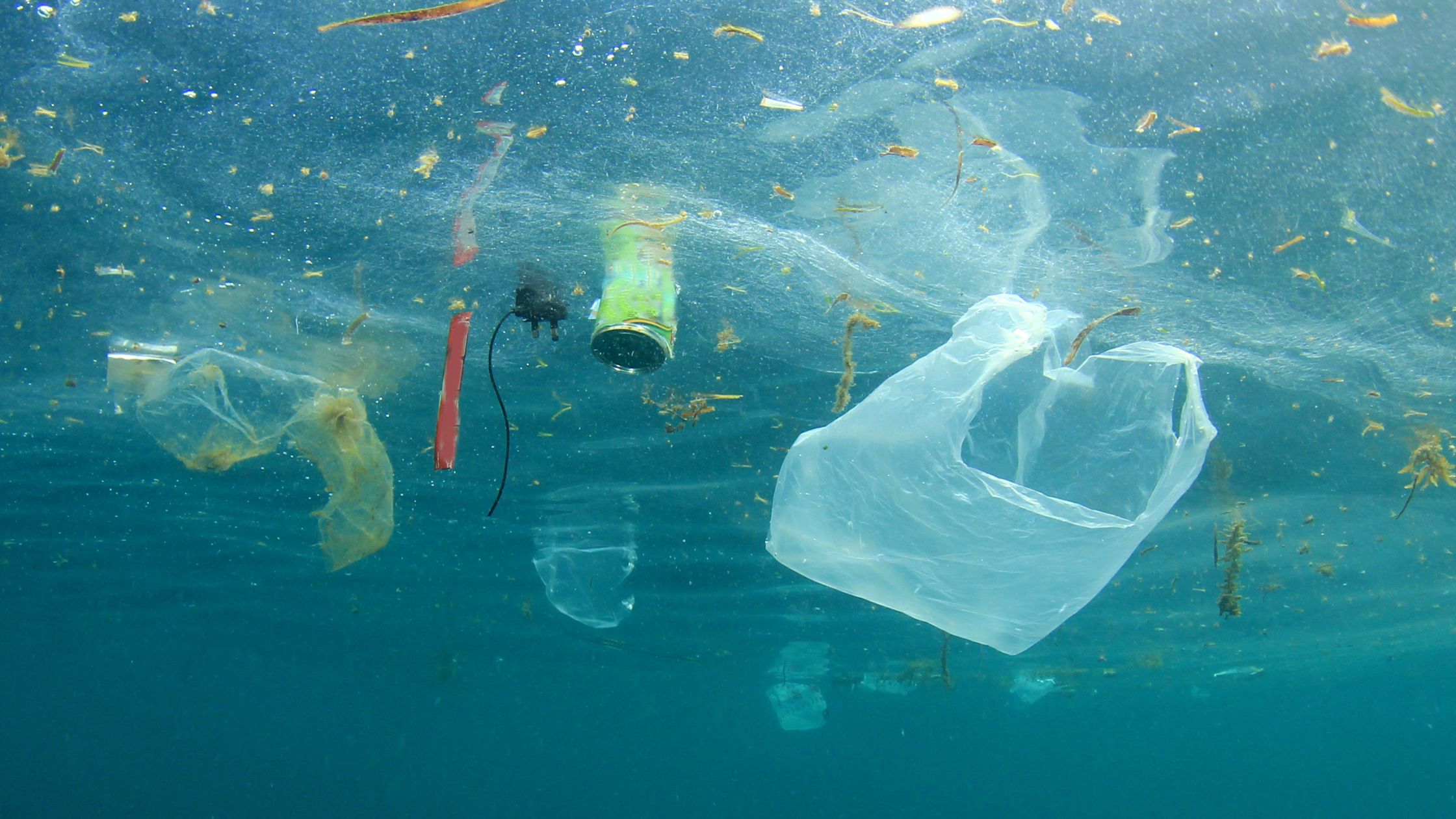
Community clean-ups help keep trash, chemicals, and plastics out of waterways and wetlands. Whether it’s a riverbank cleanup, storm-drain stenciling event, or roadside volunteer day, these efforts directly prevent pollution from entering our water systems.
2. Protect Your Own Property
Your home is your first watershed. You can help by:
Reducing fertilizer and pesticide use
Properly disposing of chemicals and medications
Maintaining septic systems
Planting native vegetation
Managing stormwater runoff
These small changes add up to big improvements in water quality.
3. Advocate for Water-Friendly Policies
Local boards, planning commissions, and conservation groups all make decisions that affect water resources. Community voices truly matter — and encouraging policies that prioritize water protection can shape long-term sustainability.
This includes advocating for:
Wetland protections
Source-water protection zones
Smart development
Groundwater monitoring
Sustainable water use practices
4. Support Education & Awareness
Share what you learn. Talk to neighbors, family, and local groups about why protecting water matters. Encourage others to test their wells, conserve water, and understand how groundwater works. Awareness leads to action.
5. Partner With Local Organizations
Many conservation commissions, watershed groups, schools, and volunteer networks offer opportunities to learn and get involved. Collaboration strengthens the impact.
At Edgewater Strategies, We Believe Protection Starts With People
While our work focuses on hydrogeology, groundwater permitting, and water-resource planning, we know scientific solutions only go so far without public engagement. Education, involvement, and community action amplify the work we do — and help ensure New Hampshire’s water remains protected for generations.
We encourage everyone to become an active steward of their environment. Whether you join an organized event or simply commit to more water-conscious habits at home, your effort matters.
Together, We Can Protect New Hampshire’s Water
Clean water is a shared responsibility — and a shared benefit. When communities come together, our collective impact is enormous. Every volunteer hour, every conversation, every environmentally friendly decision contributes to healthier aquifers, cleaner rivers, and stronger water systems.
At Edgewater Strategies, we’re proud to support and inspire local involvement. Because when we protect our water, we protect our future.
